The Dialectics

Home / SOCIETY & CULTURE

Societies are not static, they are in motion, constantly evolving and changing everywhere and anytime. What moves the societies ?

The Society & Culture section at The Dialectics explores how social forces, cultural narratives, and political ideas influence how the societies see the world and respond to change. From nationalism and civilizational debates to migration, identity, and cultural influence, this section examines how societies interpret power, conflict, and

SOCIETY & CULTURE

For readers who want to understand the deeper social and cultural currents shaping World politics, this section looks beyond institutions and strategies. It looks to the ideas that move societies

The Kerala Story sequel stumbles heavily on the bringing the difference between suffering that seeks justice and the myths that create it. Unfortunately the movie series is grounded on a created Myth.
In an era when women were expected to write about recipes and fashion, Gloria Steinem walked into journalism with a different question: Why were women’s real struggles invisible in print?
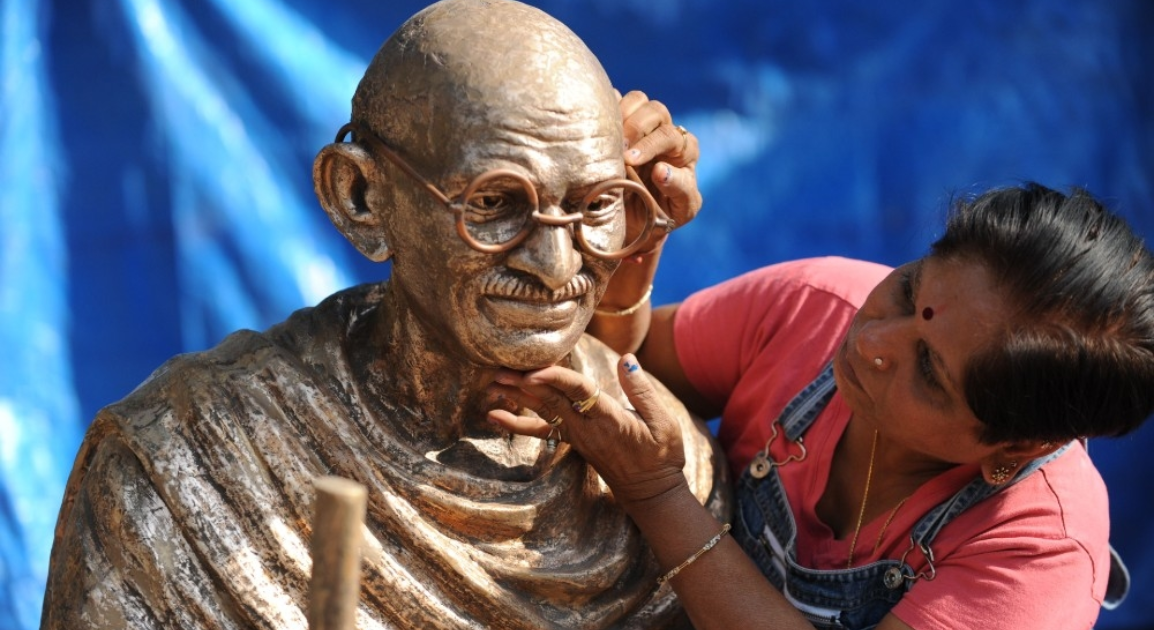
When Gandhi talked about Ram Rajya, he wasn't talking about a made-up golden age or a society based on religious rules. Instead, Gandhi came up with a fundamentally moral view of politics
Political science and international relations, like other branches of the social sciences, form a field of inquiry that is not only inseparable from complex social dynamics but is also deeply entangled with the thoughts, impulses, and decisions of individuals who do not always think or act in predictable, rational ways.

The notion of “Islamic Feminism” invokes the basic confrontation among religion and feminism. While religion is typically deemed as dogmatic and disadvantageous to women largely due to the historical domination of patriarchal interpretation of religious texts.
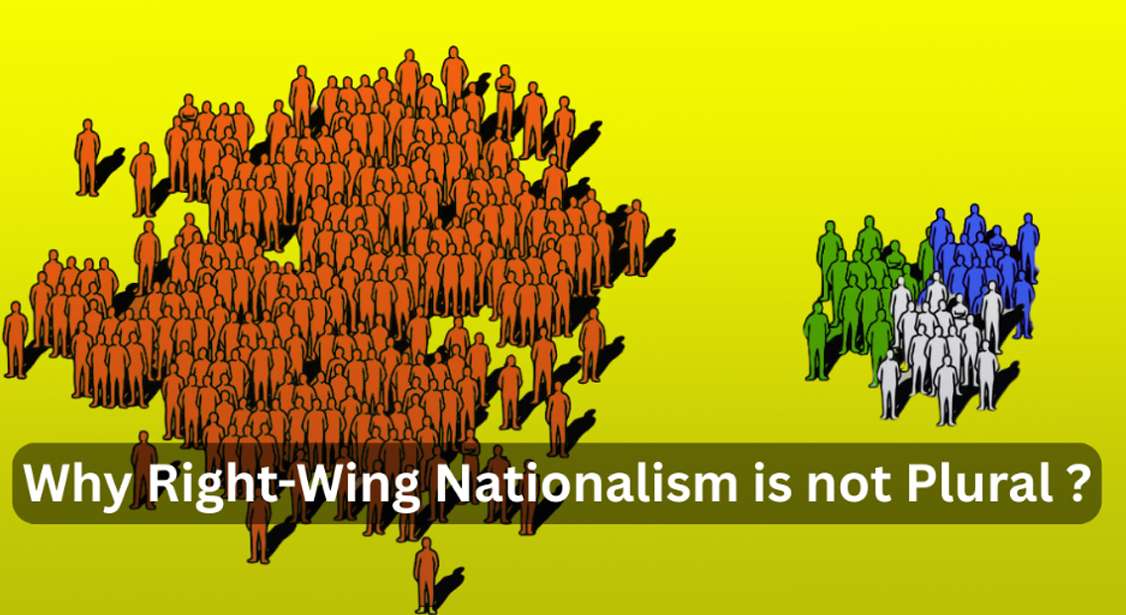
One must first ask: Is calling right-wing nationalism unable to accept diversity and inclusion just a theoretical idea or an ethical argument made by its critics?
Secularism in much of the Western world was never the abstract, universal principle it is often assumed to be. It emerged from a very specific historical confrontation between the Christian church and the modernising state, where institutional disentanglement was the primary goal.
The Republic of Tajikistan is slowly traversing a significant tectonic shift. It strategically sits at the conduit

Stay Informed.

Subscribe to our newsletter for weekly insights on politics, philosophy, and history.

Dialectics Media and Research Private Ltd