
The Adani Effect in Australia : When Capitalism triumphed over Climate Activism

As one hits the keywords on the internet ‘Adani in Australia’, various articles pop up on Adani’s mining project in Australia. Let’s dive deepen into the issue.
The Unpredictable Variable: Why Human Agency Defies Political Science
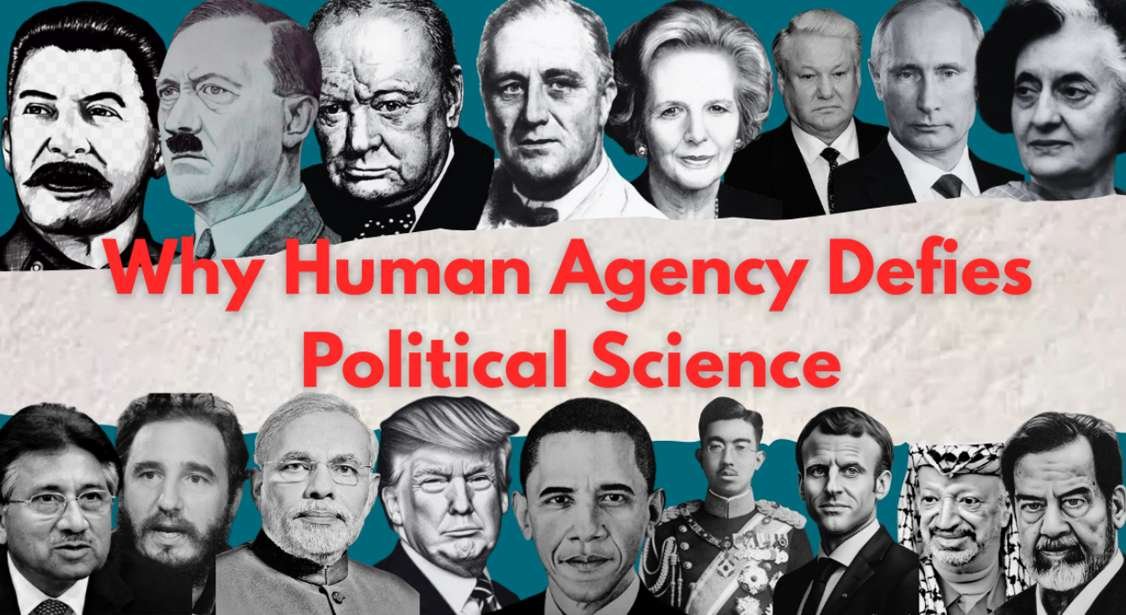
Political science and international relations, like other branches of the social sciences, form a field of inquiry that is not only inseparable from complex social dynamics but is also deeply entangled with the thoughts, impulses, and decisions of individuals who do not always think or act in predictable, rational ways.
Rivalry Meets Reality : How China and India Keep the Rapeseed Flowing

Despite their longstanding geopolitical rivalry, China and India have maintained steady trade relations over the years. Even during periods of heightened tension, such as the phase following the Doklam standoff, bilateral trade continued largely uninterrupted.
The Louvre Heist : Let’s Read History through the Stolen Jewels

Just imagine a view, a crisp Sunday morning in Paris, October 19, 2025. The sunlight enters through the grand windows of the Louvre, casting golden beams on the marble floors.
Project MK Ultra: The Real ‘Stranger Things’ America Did in the Name of National Security While Devouring Democracy

In history, Project MKUltra remains one of the most disturbing examples of how democratic states, under conditions of perceived existential threat, can reproduce the very forms of coercion they publicly condemn.
Islamic Feminism: Are they not feminist enough?
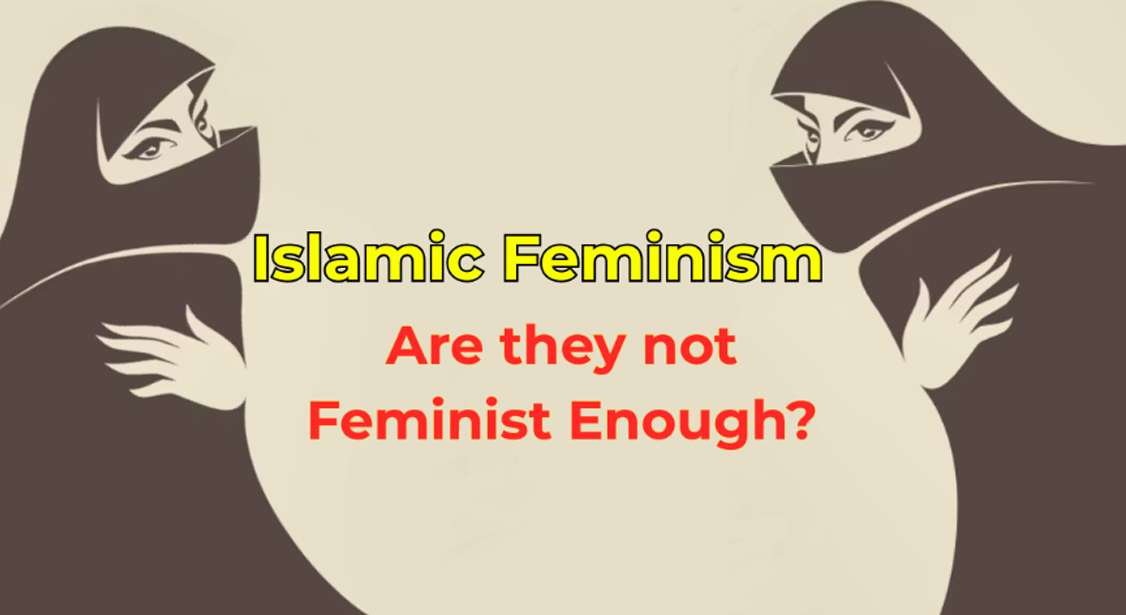
The notion of “Islamic Feminism” invokes the basic confrontation among religion and feminism. While religion is typically deemed as dogmatic and disadvantageous to women largely due to the historical domination of patriarchal interpretation of religious texts.
Let’s Understand Why Right Wing Nationalism is not Plural
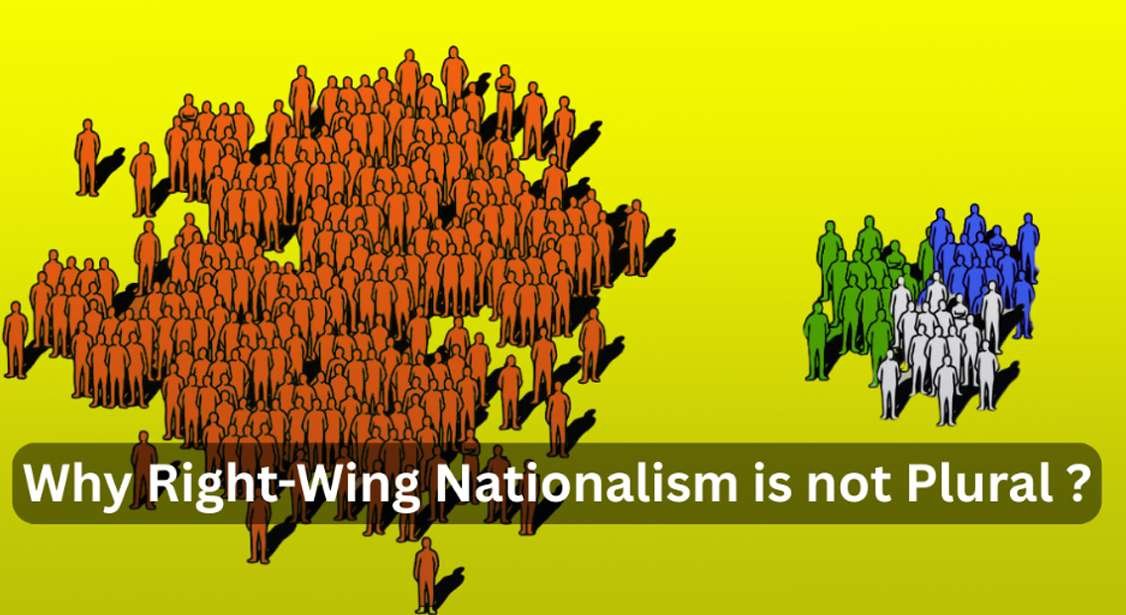
One must first ask: Is calling right-wing nationalism unable to accept diversity and inclusion just a theoretical idea or an ethical argument made by its critics?
Why We Should Move From Secularism to a Post-Secular World: Habermas and India’s Test Case

For much of the twentieth century, it was widely believed that the march of modernity—industrial growth, scientific progress, and democratic governance would steadily push religion out of public life.
Why the Western Model of Secularism Is Straining Under Diversity?
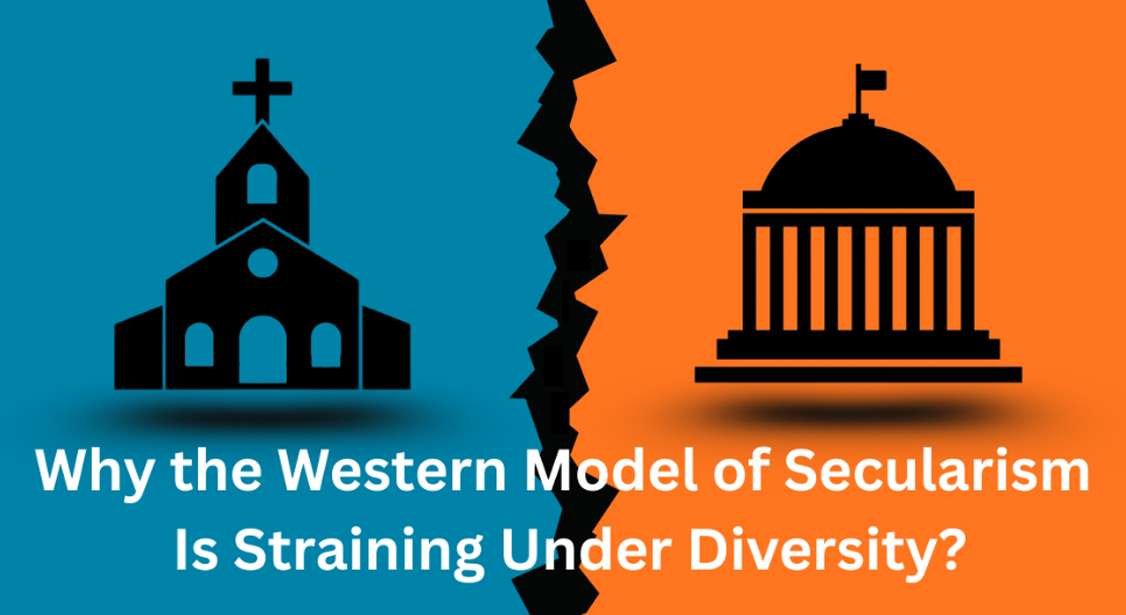
Secularism in much of the Western world was never the abstract, universal principle it is often assumed to be. It emerged from a very specific historical confrontation between the Christian church and the modernising state, where institutional disentanglement was the primary goal.