The Dialectics

Global politics is often explained through events conflicts, alliances, summits, and crises. But beneath
these headlines lie deeper forces shaped by geography, power, and strategy.


From great-power rivalries and regional conflicts to maritime routes and strategic chokepoints, the
Geopolitics section at The Dialectics explores how states compete, cooperate, and position themselves in an ever-shifting international landscape

GEOPOLITICS

For readers who want to move beyond daily headlines and understand the strategic logic of global politics, this section offers a clearer view of how power operates across the world

Why Washington and Tehran Sidelined the World

US and Iran have carefully sidelined other major players in their negotiation exercise by keeping it strictly Bilateral. This development proposes a new regional matrix but the question is the durability of this renewed bilateralism.

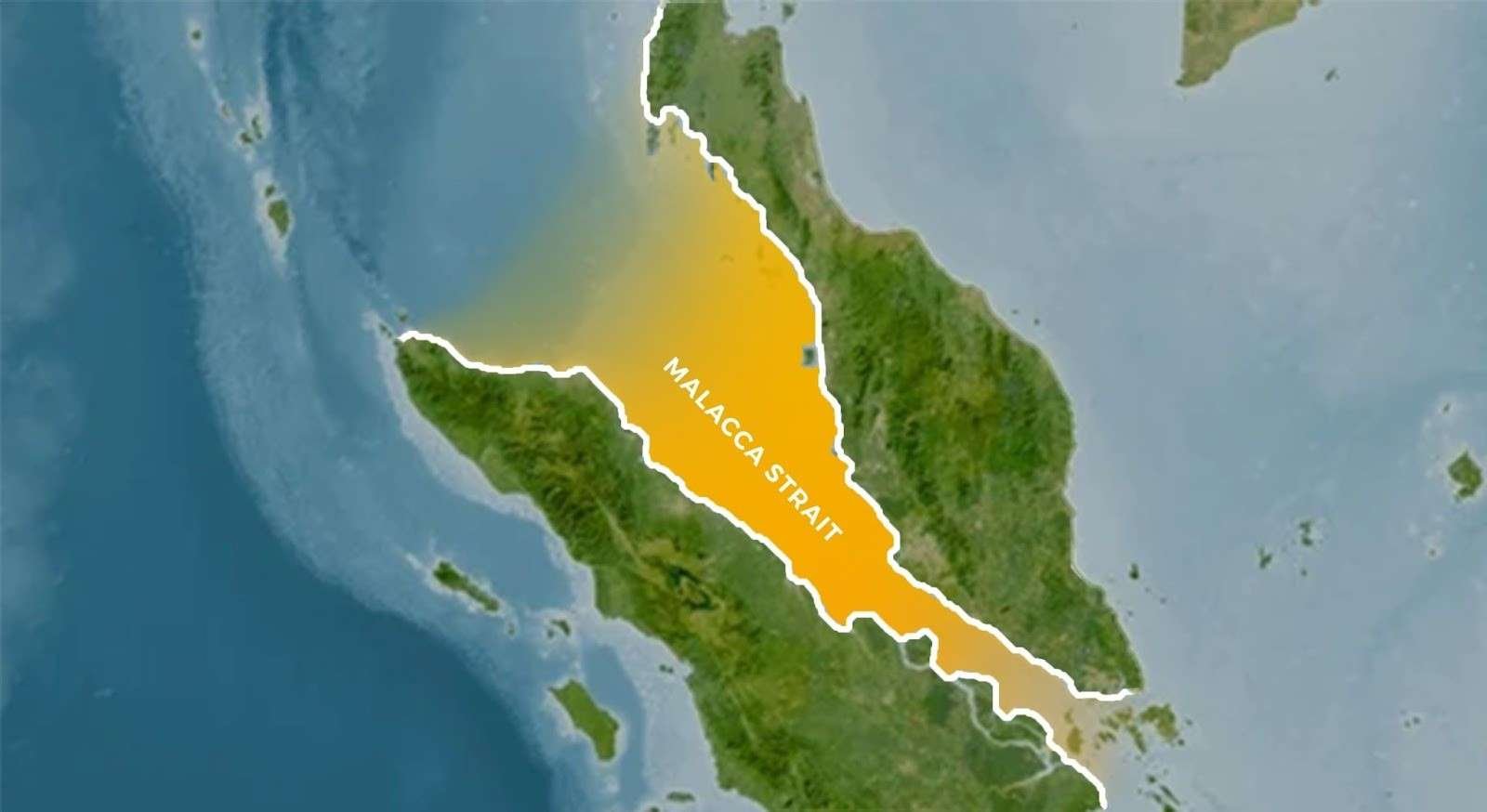
Securing Asia’s Superhighway: Inside India’s Malacca Strait Strategy – Copy

In early September 2025, a significant chapter was added to the relationship between India and Singapore

The Iran Crisis and China’s Deafening Silence: Why Beijing Is Not and Will Not Be a Superpower in the near Future

Material strength alone will not make someone a superpower, but their intent to get involved in a crisis and have a say.

A Delicate Balance: Can History and Geopolitics Co-exist in the New India-Bangladesh Dynamic?

The New India-Bangladesh dynamic - Will the newly elected BNP hold its historical baggage with India or will it forge a renewed alliance that was strained during the interim period.

The Davos Confession: Our Global Order Was a Fiction

Carney’s admission wasn’t an astonishing disclosure rather it was a long expected acknowledgement of the Illusion of the global order.

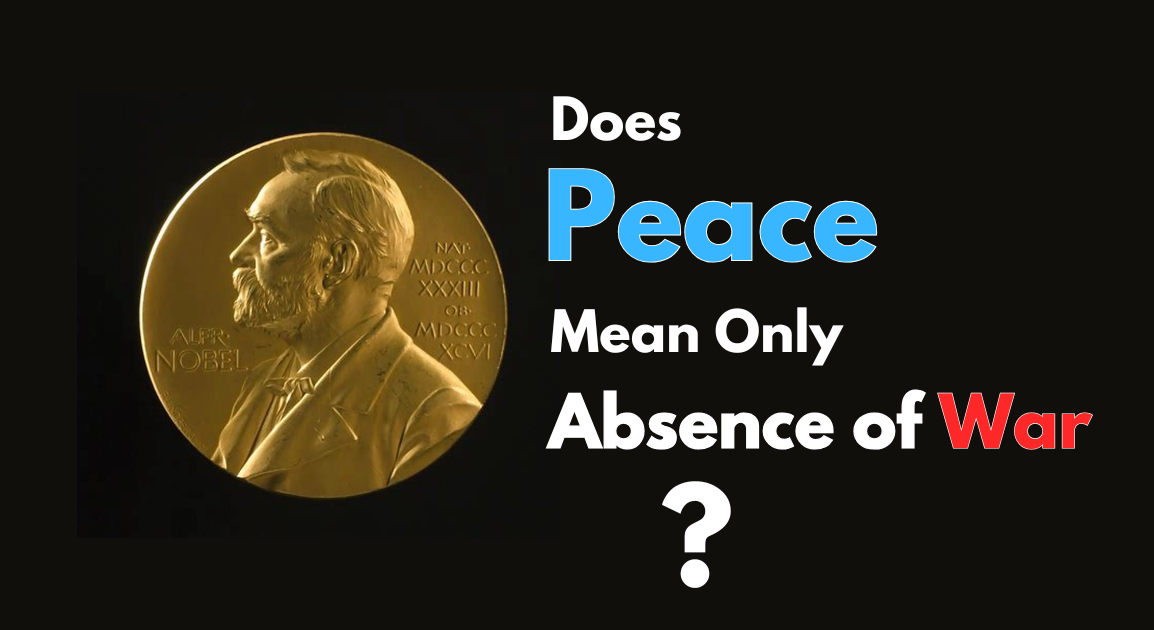
Does ‘Peace’ Mean Just Absence of War : The Nobel Peace Prize debate Goes Beyond Trump

The Nobel Peace Prize argument is about more than just Trump. It is about whether peace in the twenty-first century is still defined as cooperation and reconciliation or increasingly as deterrence, leverage, and geopolitical posture.

The ‘Fear of Abandonment’ theory : Can Australia lead Indo-Pacific’s Rules-Based Order Averting US’s Intervention

Based on the work of Allan Gyngell’s “Fear of Abandonment”, since WWII Australia’s foreign policy has been dictated by three strands- alliance, regional engagement and rules-based order.