
In early September 2025, a significant chapter was added to the relationship between India and Singapore. Singapore’s Prime Minister, Lawrence Wong visited India at the invitation of Prime Minister Narendra Modi. The highlight of this visit was a joint commitment to significantly deepen the ties between the two nations through a detailed roadmap for a “Comprehensive Strategic Partnership”. This new plan focuses on building a multifaceted future together, with cooperation stretching from the economy and digital innovation to sustainability, healthcare and cultural exchanges.
A key pillar of this partnership lies in Defence and Security Cooperation. Looking ahead, the two leaders agreed to collaborate on cutting-edge technologies like Quantum computing, Artificial Intelligence (AI), Automation and Unmanned Systems. They also pledged to work closely on maritime security, including specialized operations like submarine rescue. This cooperation is set within the framework of the Indo-Pacific, aligning with India’s own Indo-Pacific Oceans Initiative (IPOI).
A particularly noteworthy moment was Singapore’s acknowledgement of India’s interest in joining the Maritime Straits Patrol (MSP). This marks a potential new phase in their evolving maritime and strategic partnership. With increasing naval activities from China in the Indian Ocean Region (IOR) and a rise in non-traditional maritime threats like piracy and trafficking, the safety of vital sea lanes has become a top Shared Priority for both nations.
SOMS and India
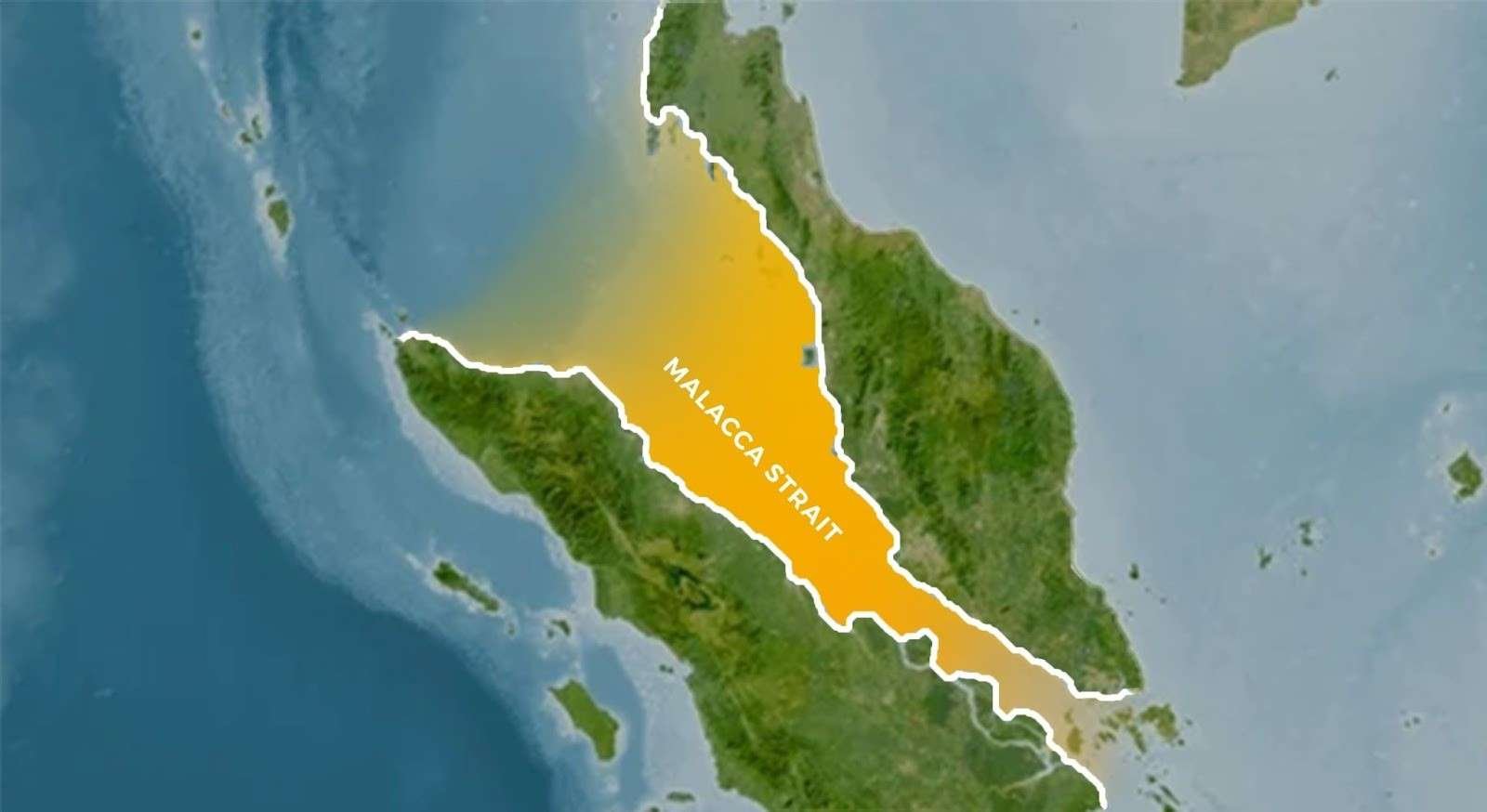
The Maritime Straits Patrol is a collaborative effort between four littoral countries that border the Strait of Malacca and Singapore (SOMS)—Indonesia, Malaysia, Singapore and Thailand, initially formed to combat piracy, it now tackles a wide spectrum of maritime threats. The Strait itself is one of the world’s most critical economic lifelines. This narrow passageway is a superhighway for global trade, with an astounding 60 percent of global trade, 80 percent of China’s energy imports and over 55 percent of India’s trade passing through it.
The SOMS framework includes three key components: the Malacca Straits Sea Patrol (MSSP), the “Eyes-in-the-sky (EiS) Combined Maritime Air Patrols and the Intelligence Exchange Group (IEG). The MSP model successfully demonstrates how nations can enhance collective security while fully respecting each other’s sovereignty. India’s potential involvement in this framework, whether as an observer or through coordinated efforts, is a promising development. It offers a chance to improve the monitoring of maritime activities, enhance the ability of navies to work together, and strengthen the rules-based order at sea. This move is a natural extension of India’s Act East Policy, reinforcing its long-standing vision of a secure maritime region built around ASEAN-led cooperation.
India’s Strategic and Military Rationale
India’s interest in the Malacca Strait from an economic perspective stems from the fact that around 55 percent of India’s trade passes through it. Moreover , most of India’s imported energy also passes through the same area. Therefore, the safety of the strait is a key factor in maintaining national security for India. The military advantage of having a presence in the area has been enhanced through the establishment of the Andaman and Nicobar Command (ANC). The Tri-service military unit, positioned on the islands at the entrance of the western approaches to the strait; as such it affords India a unique opportunity to surveil the strait and monitor potential chokepoints.
Participating in the MSP would allow India to benefit with enhanced real-time situational awareness by combining radar, as well as satellite, platforms, improving interoperability with ASEAN naval forces, as well as contribute to Humanitarian Assistance and Disaster Relief (HADR) efforts. Furthermore, strengthen cooperation in Maritime Domain Awareness between respective Information Fusion Centres, including International Liaison Officers, this could create a comprehensive surveillance network spanning the Indo-Pacific.
ASEAN and Singapore’s Strategic Calculus
For Singapore, Maritime security equates to National Survival. As a global trading hub and founding MSP member, it has consistently sought to balance major-power interests while upholding ASEAN Centrality. The MSP countries have long rejected the involvement of any non-littoral countries in patrolling the strait, a stance rooted in concerns over their sovereignty and regional autonomy. The very reason for establishing MSP was to forestall the United States proposal of policing the strait to curb rising piracy.
Similarly, Japan’s offer to send its Coast Guard following the 2005 attack on the Japanese owned tugboat “Idaten” was firmly rejected by Malaysia. Efforts to involve India also faced repeated setbacks, after the Lloyd’s Joint War Risks committee designated the Strait a “high-risk war zone” in July 2005, a Tripartite Technical Experts Group on Maritime Security proposed engaging states bordering the strait’s “funnels”, including Thailand and India. While Thailand was later incorporated, India’s inclusion was blocked over sovereignty sensitives. However, the recent acknowledgement by Singapore PM Lawrence Wong’s in allowing India’s interest to patrol in the Malacca strait will serve as a stabilizing factor, reinforcing regional resilience without provoking unnecessary strategic anxieties.
For ASEAN littoral states such as Indonesia, Malaysia and Thailand, the MSP remains a cornerstone of maritime defense and policing. These states face ongoing challenges from piracy, illegal fishing, trafficking and natural disasters that expose vulnerabilities in coastal security. Engaging with India provides access to capacity-building opportunities, technical expertise and operational support in counter-piracy and maritime policing.
However, deep-rooted concerns over sovereignty persist, particularly in Indonesia and Malaysia, where Foreign military presence in nationally waters is politically sensitive. Thus, India’s participation must emphasize functional cooperation—such as joint training, data sharing and logistical coordination, rather than direct operational involvement, to maintain ASEAN’s model of cooperative sovereignty and respect for national autonomy.
China’s Strategic Perception
From China’s perspective, India’s growing maritime role in the Malacca Strait presents both reassurance and concern. The enhanced security of the Sea lanes in the Malacca Strait is beneficial for Chinese economic interest, because it provides protection for important Chinese trade and energy shipments. At the same time, however, India’s strategic positioning of Andaman and Nicobar command, and the strategic involvement of India in the Quad reinforce the “Malacca Dilemma” that has been enduring concern for China, its vulnerability to disruptions at sea.
Therefore, China has pursued a strategy to create alternatives to SLOCs through projects like the China-Myanmar Economic Corridor and the proposed Thailand Kra Canal. While these alternatives aim to mitigate dependence, they risk creating fragmented maritime governance unless integrated into broader regional security frameworks.
For Further reading : China’s Indian Ocean Strategy
Enhancing Strategic Engagement and Cooperative Partnerships
India’s prospective participation in the MSP could play a major role in deepening its strategic engagement and cooperative partnerships across the Indo-Pacific, for this to succeed India’s involvement must be consistent and clear in its intentions. Strategically, this move would strengthen India’s image as a responsible net security provider, in line with its broader SAGAR and MAHASAGAR initiatives. It would also reinforce India’s Act East Policy and Indo-Pacific Oceans Initiative (IPOI), both of which emphasize ASEAN centrality and inclusive regional cooperation.
Operationally, collaboration with ASEAN littoral states and Singapore would allow the Indian Navy to operate more seamlessly with its counterparts. By linking India’s IFC-IOR with Singapore’s IFC, they could achieve real time coordination through joint surveillance and joint sharing. This foundational cooperation could then naturally expand into structured efforts to combat piracy, provide disaster relief and ensure environmental security, building a strong foundation of institutional trust. Diplomatically, India’s engagement offers ASEAN nations a credible and reliable partner, helping to bolster the region’s own autonomy and preventing over-reliance on any single major power.
For Singapore, this reinforces its vital role as a hub of maritime cooperation that connects South and Southeast Asia. For China, India’s constructive and transparent role in the MSP could serve as a stabilizing force. It would demonstrate that strategic competition and cooperative security don’t have to be mutually exclusive and can, in fact, coexist. Ultimately, sustained engagement anchored in transparency, resource commitment and respect for regional norms could transform the MSP into a model of cooperative maritime security grounded in mutual trust and shared responsibility.
Operational and Diplomatic Challenges
Despite its strategic intent, India faces several constraints in translating interest into Institutional participation. ASEAN’s cautious approach to external actors, guided by the principle of “ASEAN solutions to ASEAN Problems”, remains a structural limitation. India must also balance strategic optics vis-à-vis China, positioning its role as one of collective safety rather than containment. Operationally, India’s Navy already shoulders wide-ranging commitments across the Arabian Sea, Western IOR and the South China Sea, stretching its capacity to sustain long-term deployments. To ensure sustainable participation, India must prioritize non-traditional security roles, such as anti-piracy, search and rescue, and environmental protection—while maintaining transparency to prevent misperceptions of militarization.
Conclusion
The Strait of Malacca stands as both a vital economic lifeline and a significant strategic vulnerability for the Indo-Pacific region. Ensuring its security demands close collaboration among the regional and extra-regional stakeholders, built on shared interests and mutual trust. India’s prospective involvement in the MSP reflects this spirit of collective responsibility, aiming to strengthen maritime stability while respecting the sovereignty and sensitivities of the littoral states.
For India, such involvement would give tangible shape to its Indo-Pacific vision. For ASEAN, it would enhance regional capacity, resilience and preparedness against emerging maritime threats; for Singapore, it would reinforce its role as a leader in regional maritime governance promoting ASEAN-led security frameworks, and for China, a more secure strait would ensure the safety of its critical trade routes, benefitting the broader regional economy.
If pursued with prudence, transparency, and respect for regional norms, India’s engagement could help transform the Strait of Malacca, long seen as a strategic chokepoint into a model of collaborative maritime security built not on militarization but on shared trust, stability and collective responsibility for the Indo-Pacific’s future.
