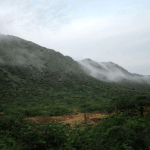
For thousands of years, Uttarakhand’s villages have used the woods as an extension of their daily lives, not as a separate biological zone. Forests are used as fuel for cooking, to feed animals, to make extra money during the off-season, and as safety nets in case of crop failures or natural disasters. In these mountain towns, where farming is unreliable and there aren’t many jobs, forest work like collecting fodder, managing Van Panchayats, harvesting Non-Timber Forest Produce (NTFP), tapping resin, and helping with fire lines has quietly but very importantly helped rural people make a living.
But the way people and trees get along has changed over time. The forest workers who used to control the hills’ biological and economic patterns are slowly leaving because of a mix of centralized policies, administrative barriers, conservation limits, and rising development pressures.
Alterations in how Uttarakhand’s forests have been managed over the past few decades are what led to this movement. Van Panchayats were set up in the early 1900s because people in the area didn’t want the British to control the forests. They were once active groups that let people work together to manage forests. Villagers decided when cows could graze, how much leaf litter could be collected, which slopes needed to be protected, and what fines would be given to people who broke the rules.
Why do the Locals lose the sense of Ownership over their forests?
Layers of bureaucratic control slowly took away this freedom over time. Changes to the law, new rules for running the department, and a growing focus on “scientific management” all made it easier for the Forest Department to make decisions. Many Van Panchayats today have a hard time doing basic things like limiting access or selling forest goods. Numerous studies characterize these committees as entities encumbered by bureaucracy rather than possessing authentic authority, frequently being accountable to the state while lacking the capacity to serve the community. Because of this, the local forest labor system, which used to be based on community rules and participation, has fallen apart.
At the same time, state-led programs like Joint Forest Management (JFM) changed the way people worked in forests from community-driven to project-driven. People in villages were supposed to help with planting trees or protecting them under JFM, but the plan often treated them like workers instead of people who could make decisions. There were times when payments weren’t made, benefits weren’t clear, and formal forest officials were in charge. This plan, which was too top-heavy, eventually turned off locals, especially women, who had been the main workers in the forest.
People used to be responsible for the forests together, but now they only do contract work from time to time. This took away the sense of ownership that had helped the forests grow. As communities got smaller, so did the skills needed to take care of forests. For example, people needed to know how to spot a forest fire, when to let animals graze, how to find medicinal plants, and how to rotate lopping.

How the Lacunae in Forest Laws add Fuel to the Problem
The collapse of forest-based rural livelihoods in Uttarakhand has gotten worse because of economic reasons. Limitations in the existing extraction methods have made resin tapping less popular, which used to be a big source of seasonal income for families. Forest fire management used to hire hundreds of local people each summer, but now it often relies on limited contractual hiring, which means that many people who want to work can’t find a job.
The Forest Rights Act (FRA) of 2006 promised to give communities back their rights to forest resources. It could change some of these trends. But Uttarakhand’s implementation has been slow and limited. Most villages don’t have community forest rights, which means they can’t legally manage, protect, or make money from forests. Communities that don’t have recognized rights can’t fight for a share of eco-tourism profits, challenge access restrictions, or start businesses in the forest that could provide good jobs. In a state where more than two-thirds of the land is covered in trees, taking away people’s legal rights effectively pushes the people who live closest to and depend most on these ecosystems to the edges.
Development projects make this problem worse. Road expansions, building hydroelectric plants, building transmission lines, and building strategic defense infrastructure have all caused forest land to be moved around the state. These kinds of projects often promise jobs and pay, but they don’t usually give people in the area long-term jobs.
More importantly, the loss of forest cover near villages makes it harder for animals to find food, makes women’s work harder, and makes conflicts between people and wildlife worse. A big problem that is driving families away from farming and forest-based activities is that monkeys, wild boars, and other animals often destroy crops. This is often linked to habitat fragmentation. Living with wildlife is more expensive now, but the ways to get help and pay for damage are still not very good. As forests get smaller or harder to get to, the work that goes into them every day gets harder, more dangerous, and less rewarding.
Not Centralised Laws but Strong Community based Local Governance is the Key
But even though things are getting worse, some villages show what can happen when communities get their power back. When the Forest Department supports Van Panchayats instead of overshadowing them, forests have grown back, springs have come back to life, and small incomes have come from community-led eco-tourism, herbal gardens, or nursery businesses. These examples show that when communities are involved and share in the benefits, both conservation and livelihoods can thrive.
To protect Uttarakhand’s forests and the people who depend on them, policy needs to change from control to working together. To rebuild the forest workforce that is slowly disappearing, we need to strengthen Van Panchayats, put the FRA into action in a meaningful way, invest in local forest-based businesses, and recognize women and pastoralists as important stakeholders. You can’t protect forests by keeping people who have lived with them for hundreds of years out. Bringing back the forest workers is not only good for the economy; it is also necessary for the fragile Himalayan landscape to stay stable and adapt to climate change.