The Dialectics

Magazine Geopolitics In Brief (Mar 25)

What are the 8 armed conflicts currently keeping Africa in turmoil?

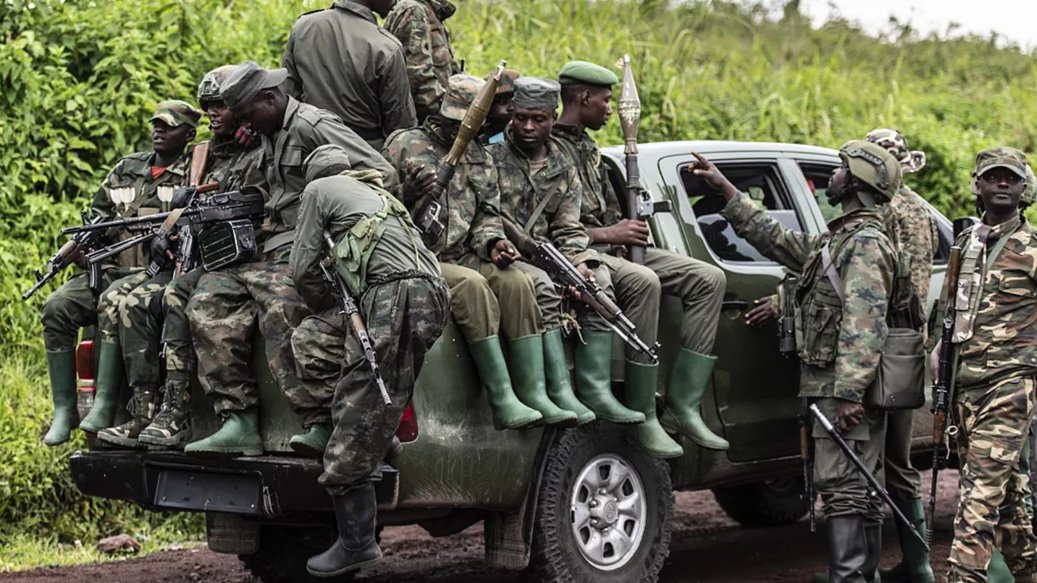
“Terrorism is the most significant threat to peace, security, and sustainable development across the African continent today,” stated Amina J. Mohammed, Deputy Secretary-General of the United Nations. Africa remains a hotspot for armed conflicts, terrorism, and civil unrest, with multiple ongoing non- international armed conflicts (NIACs) across multiple nations. Countries like Mali, Burkina Faso, Somalia, and Nigeria face relentless insurgencies from groups such as IS affiliates and al-Qaeda-linked militants, exploiting weak governance and local grievances. Military coups, as seen in Mali, Chad, and Niger, further erode democratic structures, compounding instability. External interventions by Western and neighboring powers have had mixed success. Africa’s prominence in the Global Terrorism Index reflects the surge in extremist violence, making the continent a focal point in global security and counterterrorism efforts. This article will justify how the Sahel region is rightly termed a “zero ground”, as it has become the epicenter of one of the world’s most violent crises. Over the past several years, terrorism-related deaths have exceeded 6,000, accounting for more than half of global fatalities. 1. THE DEMOCRATIC REPUBLIC OF THE CONGO The Democratic Republic of the Congo (DRC) is once again engulfed in a brutal escalation of conflict, with the M23 rebel group making rapid territorial gains in the east. Since December, hostilities have spread from Lubero in North Kivu to Masisi and further south to Minova and Numbi in South Kivu, displacing hundreds of thousands of people. The most alarming development has been the rebels’ advance toward Goma, the provincial capital of North Kivu, triggering panic as artillery explosions echo throughout the city. Fighting has now intensified on all access roads to Goma, forcing civilians to flee. The humanitarian situation is catastrophic—more than 400,000 people have been displaced since January alone, and the already overwhelmed camps near Goma, home to 650,000, are now receiving a fresh influx of exhausted and starving refugees. These displacement sites are woefully unhygienic and lack necessities such as food, water, and medical care, with rockets even landing near shelters and hospitals. The crisis is worsening with every passing day as M23 continues its offensive. The rebels, widely believed to be backed by Rwanda, have taken control of key areas around Goma, with reports suggesting they have seized much of the city itself. The international response has been slow, prompting DRC President Felix Tshisekedi to denounce the “silence and inaction” of the global community, warning of the potential for further escalation in the Great Lakes region. While Kenya attempted to convene a crisis summit between Tshisekedi and Rwandan President Paul Kagame, the DRC leader refused to participate, instead vowing a vigorous military response. Meanwhile, regional players such as South Africa and Angola have condemned Rwanda’s involvement, and the United Nations has issued warnings about the humanitarian catastrophe unfolding in eastern DRC. With M23 fighters reportedly moving towards Bukavu in South Kivu and potentially threatening the national capital, Kinshasa, fears are mounting of an even broader and bloodier conflict. The roots of this turmoil stretch back decades. The eastern DRC has been a battleground for various armed groups since the Rwandan Genocide of 1994, which saw a spillover of ethnic tensions and armed factions into Congolese territory. M23 itself emerged in 2012, comprising largely ethnic Tutsi defectors from the Congolese army who claimed the government had reneged on peace agreements. The rebels briefly captured Goma that year before international pressure forced their withdrawal. However, they resurfaced in 2021, launching a renewed campaign against the Congolese state. The region’s immense mineral wealth—vital for global industries—has fueled cycles of conflict, with Rwanda consistently accused of supporting M23 to secure access to these resources. Despite multiple peace efforts, including recent summits and diplomatic interventions, lasting stability remains elusive. The current escalation underscores the deep-seated volatility of the region, raising the specter of a wider war that could entangle neighboring states and push the DRC further into chaos. 2. SUDAN Sudan is experiencing an unprecedented humanitarian catastrophe as the civil war between the Sudanese Armed Forces (SAF) and the Rapid Support Forces (RSF) enters its third year. The conflict, which erupted in April 2023, has left over 30 million people in urgent need of aid, making it the largest displacement and humanitarian crisis globally. Violence continues to devastate civilians, with widespread sexual violence, ethnic cleansing in Darfur, and attacks on infrastructure. Humanitarian access is severely restricted as aid workers face targeted attacks, and famine is gripping communities, particularly in displacement camps like Zamzam. Cholera and malnutrition have surged due to the collapse of Sudan’s healthcare system, which has seen over 119 verified attacks on medical facilities. With neighboring countries like Chad and South Sudan overwhelmed by an influx of 3 million refugees, international actors are struggling to provide adequate assistance. The UN has repeatedly warned of an impending mass starvation event, while mediation efforts, including those by the US, Saudi Arabia, and Libya, have failed as both warring factions refuse to negotiate a ceasefire. The roots of Sudan’s crisis lie in its complex post-colonial history and decades of military rule, including the oppressive 30-year dictatorship of Omar al-Bashir. The power struggle between SAF leader General Abdel Fattah al-Burhan and RSF commander Mohamed Hamdan “Hemedti” Dagalo emerged following the 2019 revolution that ousted Bashir, as both forces vied for dominance in Sudan’s transitional government. International actors, including Iran and the UAE, have fueled the war by supplying weapons, deepening regional instability. Ethnic violence in Darfur echoes the genocide of the early 2000s, with recent massacres of the Masalit people raising alarm. Sudan is at risk of total collapse, with the UN and humanitarian organizations warning that time is running out to prevent further mass deaths. Meanwhile, Western nations fear that the growing instability will push refugees toward Europe, increasing geopolitical tensions. Without an immediate ceasefire and a renewed push for peace talks, Sudan faces prolonged destruction with catastrophic regional and global implications. 3. ETHIOPIA Ethiopia remains embroiled in internal conflict despite the formal end of the Tigray War in November 2022. The...

Free Membership Required

You must be a Free member to access this content.

Join Now

Already a member? Log in here