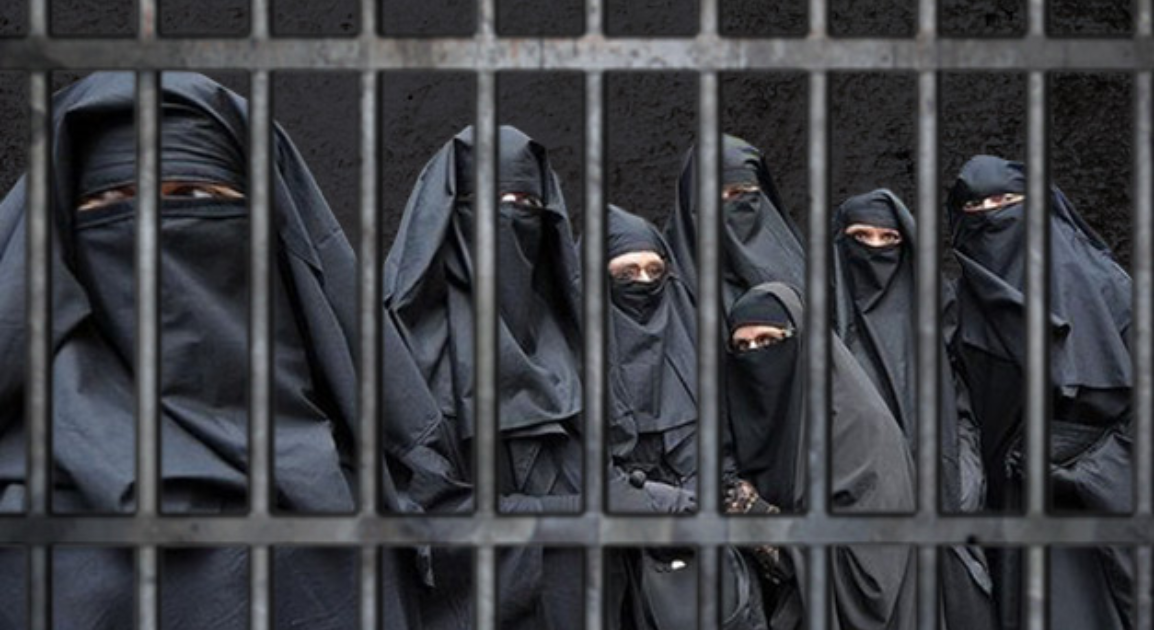
In the language of the state, they are called care homes. Critics call them carceral spaces that are protected by language. In Saudi Arabia, these places are called Dar al-Reaya, which means “House of Care.” They are at the crossroads of welfare policy, patriarchal authority, and the criminal justice system. Their existence makes simple stories about Gulf reform more complicated. They are not just prisons or safe havens; they are places where the politics of guardianship, gender, and obedience have always come together.
To understand Dar al-Reaya, one must first situate it within the legal and social framework of Saudi Arabia, historically shaped by the male guardianship system, wherein fathers, husbands, or male relatives held formal authority over significant decisions in a woman’s life. Even though things have gotten a lot better since 2018, making it easier to travel and work, the memory of guardianship still affects how bureaucrats do their jobs. As part of that ecosystem, Dar al-Reaya grew.
What do the Dar al-Reaya do?
The government-run social development agencies run Dar al-Reaya, which was meant to be a place for women who were accused of “moral misconduct” or disobeying their families to get better. These claims could include running away from home, saying they were having an affair, or having problems with their guardians. They were not prisons; they were meant to be places where people could get help. These weren’t always voluntary spaces, unlike shelters.
The conceptual ambiguity is essential. If a woman ran away from abuse and was caught by the police, she might be sent to Dar al-Reaya for her own safety. If a family says a girl is disobedient, the same rules may apply in the institution. The idea behind rehabilitation was to focus on counseling, religious guidance, and reintegration. In practice, a male guardian’s permission was often needed for release.
This procedural requirement, that a guardian agree to take the woman in, made it hard to tell the difference between care and custody. Critics say it gave men more power; officials say it kept families together in a conservative social order.
Between Punishment and Welfare
Dar al-Reaya is stuck between helping people and punishing them by putting them in jail. They are not courts, but women may end up in jail without being formally charged. In the Western NGO sense, they are not shelters because escape was not always possible on their own. They are not hidden places; they are part of official government organizations.
This mix of things shows how Saudi Arabia’s social system worked before recent reforms: social problems were seen as moral order and family integrity, not as issues of rights. The family was more than just a private group; it was also a source of stability for the country. When there was a conflict in the family, the state stepped in not to help the woman, but to fix the family. As a result, Dar al-Reaya acted more like moral arbitration tools than criminal justice tools.
Guardianship and Freedom with Conditions
In the past, the male guardianship system made women get permission to travel, get married, and, in some cases, work. Even when changes to the law made things less strict, informal enforcement still worked. In this situation, Dar al-Reaya stressed the logic of conditional freedom, which meant that a man had to give permission for a woman to move and be free.
Human rights groups said that this led to a situation where people were forced to do things. If a woman leaves an abusive relationship but doesn’t want to get back together, she might stay in institutional limbo. But officials saw these institutions as protective barriers against homelessness and social instability.
So, the argument is about more than just confinement; it’s also about power. Who decides what protection is? Who makes the decision about reintegration? And whose permission is legally binding?
Reform and Its Limits
Since 2018, Saudi Arabia has implemented significant reforms, allowing women to drive, obtain passports, and go abroad without male consent. Employment involvement has grown, and public spaces have expanded. These alterations confound a static understanding of Dar al-Reaya.
However, institutional reform frequently lags behind legal reform. Even if legislative rules change, administrative cultures adapt slowly. While guardianship regulations have been nominally loosened, many operations still require family agreement.
Dar al-Reaya’s destiny is thus determined less by headline reforms than by how deeply bureaucratic practices internalize new autonomy standards.
Changes between generations
Younger Saudi women are going to college and getting jobs at a rate that has never been seen before. Being connected to the internet lets kids see and hear about rights and freedom around the world. This generational change makes it harder to meet older guardianship expectations. Dar al-Reaya thus became symbolic sites for the resolution of generational conflicts. They show how the state tries to control changes in society without causing too much trouble. The facilities take in stress that could otherwise lead to public outcry.
How well guardianship rules are broken in practice will decide whether they become completely voluntary shelters or fade away. It is easy to think of Dar al-Reaya as a Saudi place. However, a comparative analysis reveals the existence of analogous systems internationally, albeit under different designations: protective custody for at-risk women, rehabilitation facilities for “wayward” girls, and family reconciliation centers. The level of freedom given to people and the openness of the legal process are what make a difference.
The situation in Saudi Arabia is interesting because it shows how religion, government power, and gender roles are all connected. It shows how social policy can help keep cultures from changing too quickly. In the end, the argument over Dar al-Reaya is about more than just being locked up. It’s about figuring out who has power over women’s lives in a society that is always changing. The question is whether care can happen without control. And it’s about whether modernization can work with old ways of patriarchal arbitration.
Dar al-Reaya are not so much relics of the past as they are mirrors of the present, showing the unresolved conflicts in a state that tries to balance reform, tradition, and power.