
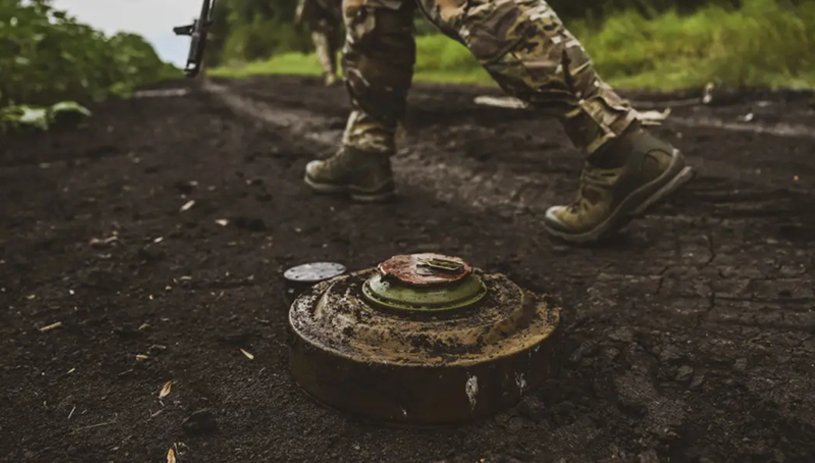
The Mine Ban Treaty, also known as the Ottawa Convention, was a landmark international treaty signed in 1997 to prohibit anti-personnel landmines (APLs). The number of countries that have backed it to this point is over 160, which has significantly reduced landmine casualties and supported international humanitarian efforts. Despite this, recent geopolitical events have resulted in several nations (primarily Poland, Estonia, Latvia, Lithuania and Finland) revealing their plans to withdraw from the treaty. The alteration highlights the intricate connection between worldwide disarmament obligations and local security interests, particularly given the perceived dangers posed by Russia and Belarus.
What is the Ottawa Convention: Objectives and Achievements
The Ottawa Convention seeks to prohibit the use, construction, storage, and transfer of APLs with the aim of reducing civilian casualties and reconstructing society after a conflict. The destruction of millions of landmines worldwide is a direct outcome of the treaty, which has also led to demining operations in countries like Afghanistan-controlled areas, Angola-based mines, and Cambodia. Furthermore, it has encouraged the development of alternative defence mechanisms, which have lowered incidents of landmines to ensure national security.
A significant impact of the convention has been felt globally on military doctrines. The countries that have endorsed it have been encouraged to create more advanced defensive measures that don’t require random deployment of weapons. Additionally, demining operations and victim rehabilitation programs have been supported globally through economic and technical assistance from organisations such as the United Nations and the International Committee of the Red Cross.
However, convention critics note that it limits defence capabilities, particularly for countries facing asymmetric warfare risks. Although the United States, Russia, and China haven’t ratified it yet, countries in strategically vulnerable positions are now reviewing their commitments amid growing security risks. The treaty remains unchanged today.
Emerging security risks in Eastern Europe
A dramatic shift has occurred in the security situation in Eastern Europe in recent years. Following Russia’s 2014 annexation of Crimea, the Ukraine conflict, and increased military activity near NATO boundaries, neighbouring countries are now more worried. Those countries that are neighbours of Russia or Belarus, including Poland and the Baltic nations, consider the Ottawa Convention’s limitations as potential weaknesses in their defence systems. Defence ministers from these countries suggested in March 2025 that they would withdraw from the treaty due to increased defence needs arising from Russian threats.
The eastern border of NATO has become a focal point for military activity, with countries like Lithuania, Estonia, and Latvia increasing their defence expenditures and conducting exercises. NATO’s collective defence policy has been bolstered by Poland, in particular. However, as Russia intensifies its militarisation of Kaliningrad and Belarus, which are now considered to be the primary sources of tactical nuclear weapons for Russia, these nations believe that removing landmines would make them more vulnerable to invasion.
Finland’s Strategic Re-evaluation
Finland, which has a 1,300-kilometre border with Russia, has declared its decision to withdraw from the Ottawa Convention. Prime Minister Petteri Orpo emphasized that Russia poses a lasting danger to Europe, regardless of any immediate military action. Withdrawing from the treaty, Finland intends to adopt a less strict approach to its defence policy, which may involve the reintroduction of landmines as if they were aimed at deterrents.
Since becoming a member of NATO, Finland’s security situation has undergone sweeping changes. In the past, it had a policy of non-alignment and diplomacy. The reality of Helsinki’s role as a war capital is now apparent. Landmines would be a good defence against mechanised attacks in Finland’s inhospitable terrain, according to military strategists. The Finnish Defence Forces are currently engaged in discussions about how to reestablish the capability to launch landmines with minimal human-related risks.
Wagner Group and Regional stability
Belarus’ security dynamics are further complicated by the presence of the Wagner Group, a Russian private military company. This has prompted Poland and the Baltic states to fear any attempts of sabotage, infiltration, or destabilisation within their borders. The instability of these groups adds another layer of complexity to regional security dynamics.
The strategic interests of Russia have become more aligned with Belarus, under the leadership of President Alexander Lukashenko. The use of Wagner mercenaries near NATO borders raises doubts about the effectiveness of hybrid warfare tactics, including border crossings and disinformation campaigns. Minsk’s involvement in the migrant crisis from Belarus has led to increased difficulty in security planning, especially with the presence of irregular combat units.
A Western world devoid of trust: The Trump Factor
Eastern European geo-strategic interests have augmented the political reality in the United States. U.S. Trump’s foreign policy towards Russia has been more aggressive than confrontational since he came back to power in 2025. He stated that his administration has proposed methods to alleviate tensions in Ukraine, such as suspending aid or depending on Kyiv to reach a deal with Moscow.
NATO’s Eastern European members are deeply disturbed by this change. During his first term, Trump frequently raised doubts about the significance of NATO and expressed concern that he might not defend member countries who failed to deliver their agreements. Additionally, Due to Washington’s less aggressive stance towards Russia, countries such as Poland and the Baltics are concerned about the need for their defence systems, including landmines, to protect against Russian aggression.
Trump’s approach has implications for Europe’ s security framework. In the absence of a clear U.S. commitment to NATO, Europe is being pressured to increase its own defence capabilities. Although France and Germany have advocated for more integrated defence measures within the EU, historical discords and logistical challenges remain major obstacles. Meanwhile, Poland and the Baltic republics are increasingly turning to the UK (and other non-EU states) for military aid.
Humanitarian and Diplomatic Implications
The Ottawa Convention withdrawals of Poland, the Baltic states, and Finland have prompted strong reactions from humanitarian groups and international organizations. The International Campaign to Ban Landmines (ICBL) and Amnesty International have called for reversal by these countries, citing the indiscriminate character of landmines and their long-term effects on civilian populations. Additionally, such moves could strain relations between the European Union and NATO as member states grapple with balancing collective security commitments and individual national defence strategies.
Also, pulling out of the Ottawa Convention might become a precedent for other nations under threat of security. If the NATO members start to reintroduce landmines, other nations in other troubled regions will do the same, and all the progress in disarmament over decades will be lost. Critics say that contemporary warfare should be about technological innovation, like AI-based defence systems, instead of reverting back to weapons prohibited on humanitarian grounds.
Walking on a Thin Rope
The potential withdrawals from the Ottawa Convention by Poland, the Baltic states, and Finland underscore the delicate balance between upholding humanitarian principles and addressing pressing national security concerns. While these nations face legitimate threats from an assertive Russia and its allies, reintroducing landmines poses significant ethical, diplomatic, and legal challenges. As the global geopolitical environment continues to shift, these nations have to balance their defence needs with the more significant implications of deviating from established international norms that have long helped bring peace and security to the world. With the U.S. shifting its foreign policy priorities and Europe preoccupied with internal fissures, Eastern European states could increasingly rely on unilateral security. Whether this trend strengthens or weakens NATO collective security is as yet unclear. One thing, though, is sure: the Ottawa Convention, long a symbol of global cooperation, is now at the centre of a tremendous geopolitical controversy.
